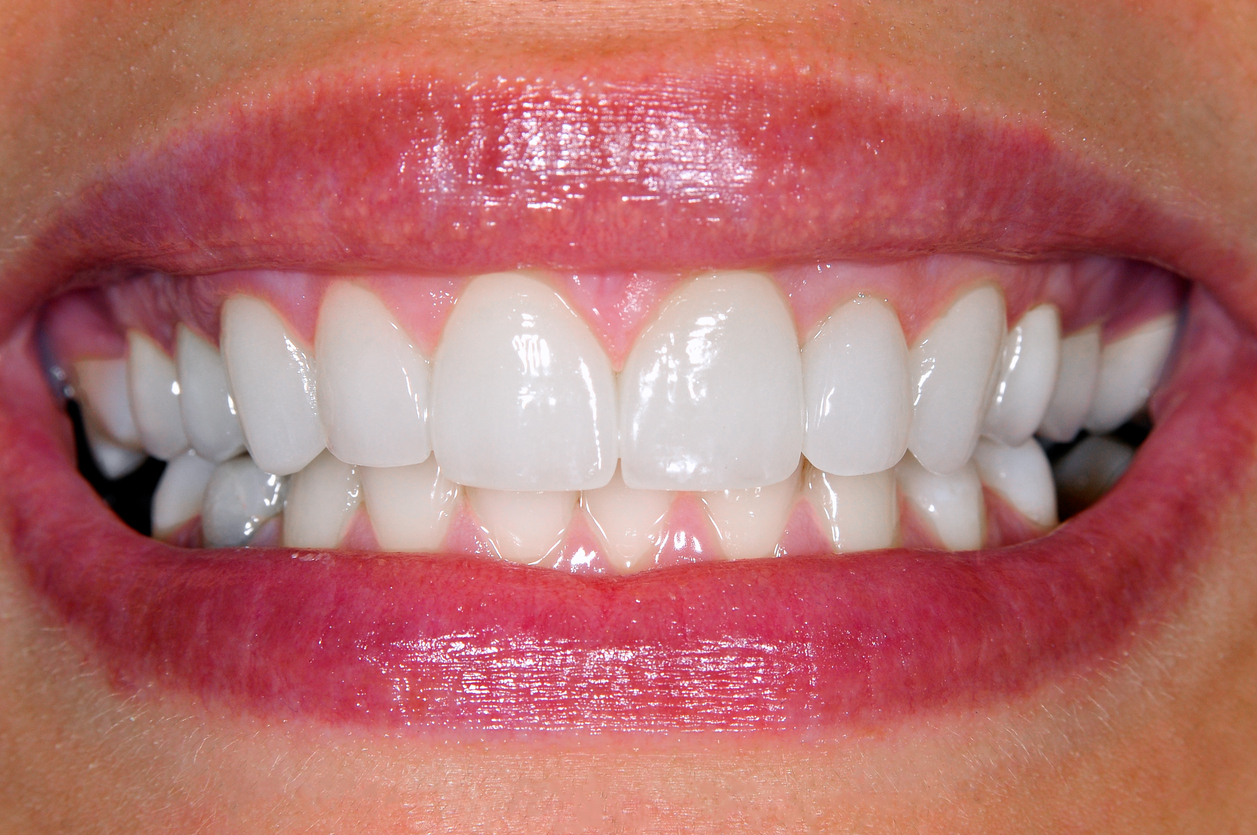
A molar sits at the back of the mouth. It often has generous bone around it and gum that rarely shows. Dentists mainly judge it by how well it chews. A central incisor is visible whenever its owner speaks. That difference makes a single front tooth one of dentistry’s most demanding implant cases. It is far harder than a molar. The implant itself is the same titanium component in either location. However, the upper front jaw has thin facial bone and thin gum tissue. The smile line and the neighboring natural tooth add further demands. This article explains why dental implants Encino CA at an anterior site face constraints that back teeth do not.
Why a Back Tooth Forgives What a Front Tooth Does Not in Dental Implants Encino CA
Dentists judge a molar restoration primarily by function. If it chews comfortably, cleans well, and stays in place, it has succeeded. Small changes in emergence angle, crown contour, or gum height often go unnoticed. That area does not show during conversation. Posterior bone is often dense and thick. Gum tissue is usually thicker there too. It can conceal the structure below and tolerate a slightly high or low crown margin. A front tooth offers none of those allowances. A fraction-of-a-millimeter difference can create asymmetry, a dark triangle, or a tooth that looks longer than its neighbor. At a posterior site, clinicians solve an engineering problem. At an anterior site, they must solve engineering and aesthetics together. Usually, the aesthetic demands guide the engineering.
The Thin Facial Bone Plate That Narrows the Margin for Dental Implants Encino CA
The bone over the front of an upper incisor root is strikingly thin. Often, it is little more than dense outer bone with almost no spongy bone behind it. This wall relies partly on the tooth for its blood supply. Extraction begins resorption that can continue for months. The ridge narrows from the front. The gum over that wall then follows inward and upward. A front site for dental implants Encino CA starts changing shape as soon as the tooth comes out. Therefore, anterior treatment often focuses on preserving or rebuilding the facial wall. Grafting at extraction, atraumatic root removal, and gentle preparation all protect this thin plate. There is almost no bone to spare. When it is lost, the change shows.
Gum Biotype and How Thin Tissue Responds to Dental Implants Encino CA
Gum tissue varies between people in a way that strongly predicts how a visible restoration will look years later. Thin, scalloped tissue is translucent, follows a high peaked contour between teeth, and recedes readily when irritated or when the structure beneath it changes. Thick, flat tissue is more opaque, holds its position, and masks whatever sits below. The same restoration placed in those two patients produces two different outcomes, and nothing about the hardware explains the difference. Evaluating tissue type before beginning dental implants Encino CA treatment at a front tooth is not a formality. A thin biotype raises the chance that an abutment will shadow through the gum, that recession will expose a margin over time, and that any surgical insult will leave a permanent mark. Thick tissue forgives more. The response to thin tissue is to plan for it rather than discover it, which generally means augmenting the tissue, selecting materials that do not transmit grey, and handling the site gently.
The Papilla Between Teeth and Why Dental Implants Encino CA Cannot Simply Rebuild It
The small triangle of gum between two teeth is the papilla. Its presence often determines whether a front tooth looks natural. Bone between adjacent roots and the crowns’ contact point support the papilla. When the bone is intact and the contact sits at the proper height, the papilla fills the space. When bone is lost, the tissue loses its support. A dark triangle can then appear at the gumline. No crown shape fully closes it. Recovering lost papilla is one of anterior dentistry’s hardest challenges. Therefore, clinicians plan dental implants Encino CA at visible sites to protect bone between teeth from the start. They avoid cutting through the papilla, keep a safe distance from neighboring roots, and lengthen crown contact points. Predictably rebuilding lost papilla remains an unsolved problem.
The Smile Line and How Much Tissue Dental Implants Encino CA Must Account For
The amount of visible tissue determines how much these details matter. A low smile line covers the gumline. It can hide tissue-height differences that would be obvious in another person. A high smile line rises above the gum margin and shows tissue above the teeth. It exposes everything. The same technical result can succeed in one patient and look unacceptable in another. The lip position creates that difference. Clinicians should assess the smile line before discussing dental implants Encino CA for a front tooth. They should observe the patient speaking and smiling naturally. A posed smile often differs from a spontaneous one. Patients who show the full gumline face the most demanding version of this treatment. They deserve to know that before treatment begins.
Matching One Crown to a Neighboring Natural Tooth in Dental Implants Encino CA
Replacing a full arch is in one respect easier than replacing one tooth, because when every tooth is new, they only have to match each other. A single central incisor has to match a natural tooth sitting directly beside it, under every lighting condition, for the rest of the patient’s life. Natural enamel is not one color. It varies from the gumline to the edge, carries internal characteristics, and changes appearance depending on what sits around it. Reproducing that in ceramic, in one unit, next to the original, is the hardest shade problem in restorative dentistry, and it is a routine part of dental implants Encino CA at an anterior site. The difficulty compounds because the natural neighbor keeps aging. It will darken slightly, pick up stain, and wear at the edge, while the ceramic will not. A match made today is a match to a moving target, which is why careful offices document the neighbor thoroughly and involve the ceramist early.
Translucency and Value, the Daylight Problem in Dental Implants Encino CA
Shade matching fails most often on properties a shade tab does not capture well. Value, meaning how light or dark a tooth reads independent of its hue, is the property the eye notices first and the one that makes a crown look wrong from across a room even when the color is close. Translucency is the second. Natural enamel transmits light and glows slightly at the edge, while an opaque restoration stops light and appears flat. A crown photographed beside its neighbor can look identical and still be unmistakable in daylight, because the camera flattens exactly the properties that matter. For dental implants Encino CA at a visible tooth, this is why a final restoration is often evaluated in more than one lighting environment, and why material choice weighs light transmission rather than strength alone. The tissue underneath matters too, since a dark substructure visible through thin gum lowers the apparent value of the crown no matter how well the ceramic is layered.
Immediate Placement Versus a Staged Approach for Dental Implants Encino CA
At a back tooth, immediate implant placement can be efficient. At a front tooth, it has aesthetic consequences in both directions. Immediate placement preserves the socket architecture and surrounding tissue. It also avoids a second surgical entry and shortens the timeline. However, it requires an intact facial wall, no significant infection, and enough bone beyond the socket to stabilize the fixture. A staged approach lets the site heal and allows deliberate grafting. It trades months for predictability. Neither approach is always correct. For dental implants Encino CA at an anterior site, anatomy should guide the choice. The cost of guessing wrong is visible. A back tooth can lose some ridge contour and still function. Facial bone loss after immediate placement can leave a front crown with a high gum margin. Prevention is easier than correction.
Soft Tissue Grafting as an Aesthetic Step in Dental Implants Encino CA
At a posterior site, grafting usually creates enough volume for a fixture or enough firm tissue for brushing. At a front tooth, soft tissue grafting often serves an aesthetic purpose. More tissue thickness makes a thin biotype more opaque. It helps prevent the structure beneath from showing through. It also creates a reserve against future recession. As a result, a margin that looks correct at delivery can remain stable for years. Connective tissue from the palate is the usual source. Clinicians often place it with the implant or during the uncovering step. Patients may assume that planned grafting means something went wrong. In anterior work, the opposite is often true. Planning tissue augmentation before crown delivery helps avoid a later grey shadow. It shows that the team considered the aesthetic result from the beginning.
The Provisional Restoration That Shapes the Gum in Dental Implants Encino CA
The gum around a natural tooth takes its shape from that tooth. An implant fixture emerges from bone as a round cylinder. The tissue has no natural guide for where to sit. Clinicians create that shape with a temporary crown. They adjust it over several weeks to gently push and release tissue until the margin and emergence contour look right. The provisional is both a placeholder and a sculpting tool. It helps the finished restoration look as though the gum grew around it. When dental implants Encino CA at a front tooth skip this step, the final crown may enter tissue nobody shaped. Once the contour is correct, the team can capture and transfer it. The final crown can then reproduce the profile that the tissue has accepted. This phase can feel frustrating, but it strongly affects the final appearance.
Implant Angle and Screw Access Behind the Visible Surface in Dental Implants Encino CA
The position of the fixture in three dimensions decides what the restoration can look like, and angle is the dimension that most often forces a compromise. Bone in the front of the upper jaw slopes backward, so a fixture driven along the path of least resistance will emerge through the front face of the future tooth. If the restoration is screw retained, the access opening then lands on the visible surface and has to be filled with composite that discolors over time. Angling the fixture so access emerges behind the tooth, toward the tongue, is a planning decision made before any drilling begins. Work on dental implants Encino CA offices perform at anterior sites therefore commonly begins with a scan, a planned position, and a surgical guide, because this angle cannot be corrected afterward. Angled abutments and angled screw channels grant some latitude, but latitude is not freedom. The restorative outcome is largely determined at the moment the osteotomy is prepared.
What Happens When Dental Implants Encino CA Sit Too Far Forward or Too Shallow
Two positioning errors account for a large share of disappointing anterior results. A fixture placed too far forward, too close to the facial wall, leaves almost no bone in front of it. That thin remaining shell resorbs, the gum follows, and the margin migrates upward until the crown looks longer than its neighbor and a grey line appears at the gumline. A fixture placed too shallow, not deep enough below the future gum margin, forces the crown to emerge abruptly, producing a bulky contour or a visible junction between crown and tissue. Both errors are easier to see than to fix, and correcting them generally means removing the restoration, grafting, and in some cases removing the fixture itself. This is the practical reason dental implants Encino CA at a visible site are planned with so much attention to depth and facial position before surgery. Placement slightly toward the palate and slightly deeper than instinct suggests tends to produce better tissue support.
Grey Margins and Long Teeth After Dental Implants Encino CA Done Elsewhere
A recognizable group of patients arrives having had a front tooth replaced somewhere else, unhappy with how it looks rather than how it works. The complaints are consistent. A grey shadow shows at the gumline through thin tissue. The crown reads longer than the tooth on the other side. A dark triangle sits between the new tooth and its neighbor. The shade is close but not right in daylight. None of this necessarily reflects poor surgery; anterior sites are unforgiving, and thin tissue paired with a high smile line will expose a result that would have passed unnoticed elsewhere in the mouth. Evaluating revision work for dental implants Encino CA begins with determining what is actually causing the appearance, since fixture position, tissue thickness, abutment material, and the crown itself are all candidates. Some of these are correctable with a new restoration and tissue grafting. Others are limited by where the fixture sits, and honesty about that distinction matters more than optimism.
What a Consultation Should Cover Before Dental Implants Encino CA at a Visible Site
A consultation for a visible tooth should look different from one for a molar. It should include a record of how the lip moves during speech and during a natural smile, an assessment of tissue thickness and gum contour on the adjacent teeth, imaging that shows the facial bone rather than only ridge height, and a frank discussion of the neighboring tooth and how closely it can be matched. It should establish the sequence as well, including whether grafting is anticipated, whether a provisional phase is planned, and roughly how long the site will carry a temporary. Anyone weighing dental implants Encino CA at a front tooth is entitled to hear the limitations before treatment starts, including the possibility that a perfect match is not achievable and that a different plan, such as restoring the neighboring tooth also, may produce a better overall appearance. A consultation that discusses only bone volume and healing time has not addressed what the patient will see.
Why Patients Choose August de Oliveira DDS for Dental Implants Encino CA
August de Oliveira DDS practices at 5400 Balboa Blvd #231 in Encino, CA 91316, with hours Monday through Thursday from 8 to 5 and Friday by appointment. Patients travel to the office from Encino, Sherman Oaks, Van Nuys, Tarzana, Calabasas, Woodland Hills, Studio City, and Reseda. Dr. de Oliveira’s focus is digital dentistry, and the office runs both chairside CEREC and full laboratory workflows, which bears directly on anterior cases. A chairside workflow allows a restoration to be designed, milled, and evaluated in the mouth during a single visit, which is useful for provisionals and for seeing a shape in place before committing to it. A laboratory workflow allows a ceramist to layer and characterize a single front crown by hand, which is often what a difficult match beside a natural incisor requires. Having both available means the approach to dental implants Encino CA can be chosen by what the case needs rather than by what the office is set up to produce.
Final Thoughts on Dental Implants Encino CA
A single front tooth concentrates nearly every difficulty in implant dentistry into one visible unit. The bone is thin and changes after extraction, the tissue may be thin enough to reveal what sits beneath it, the papilla depends on bone that cannot be regrown on demand, the lip may expose all of it, and the finished crown must stand beside a natural tooth that nobody will stop comparing it to. None of that makes the work unpredictable, but anterior cases reward planning, staging, and patience in a way posterior cases do not. Patients considering dental implants Encino CA at a visible site are well served by asking detailed questions about tissue, position, and matching before treatment begins. This article is general information about anterior implant treatment and is not a diagnosis or a treatment recommendation for any individual. Anyone with a missing or failing front tooth, or an existing restoration that no longer looks right, can call August de Oliveira DDS in Encino to schedule a consultation.