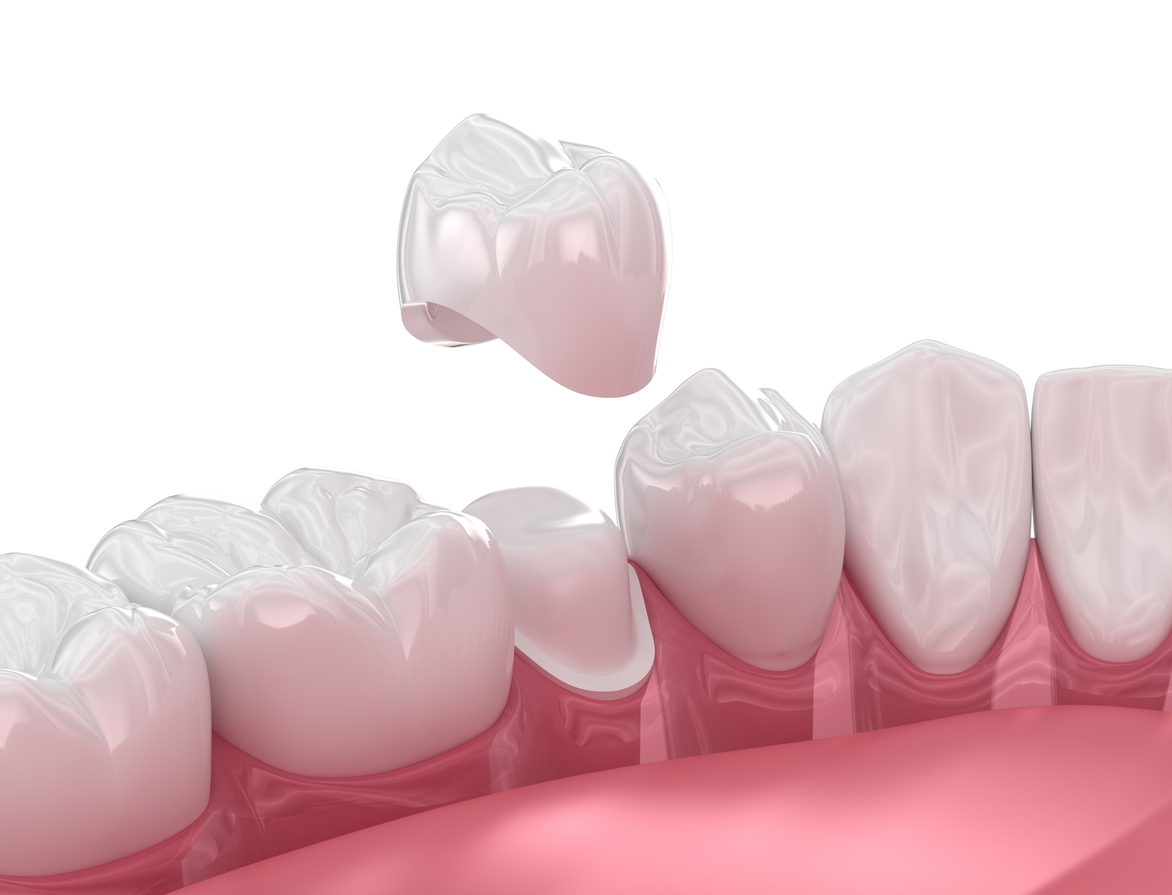
Most comparisons between a milled ceramic crown and a laboratory crown get settled on precision, convenience, or cost. For some patients, none of those is the deciding factor. The CEREC Crown vs Traditional Crown question looks different to a person who gags on impression material, whose jaw tires after twenty minutes, who finds the treatment room hard to sit in, or whose week cannot absorb a second trip across the valley. For that patient, the useful comparison is not which restoration performs better over a decade but what each workflow asks of the body and the calendar between the first appointment and the finished crown. This article approaches the CEREC Crown vs Traditional Crown comparison from that angle, working through impressions, appointment length, numbing, temporaries, waiting, and travel. Patients who have postponed restorative work because the visit itself felt like the obstacle often find the CEREC Crown vs Traditional Crown decision clearer once both workflows are described in those plain terms.
Why Patient Tolerance Belongs in the CEREC Crown vs Traditional Crown Comparison
Comparisons between the two workflows usually focus on technical details. These include marginal fit, material strength, shade matching, and the number of visits. Those details matter, and a dentist weighs each one. However, a restoration helps only when a patient can complete treatment. A plan can fail when visits prove harder than expected. Patient tolerance therefore belongs in the CEREC Crown vs Traditional Crown comparison. It is not simply a soft preference. Tolerance has physical details: how long the mouth stays open, what enters it, how often the process repeats, and how much time each step takes. These are measurable workflow features, not personality traits. Patients should share whether impressions are difficult or whether one long visit feels harder than two short ones. A dentist can use that information when planning care.
The Impression Tray, the Gag Reflex, and the CEREC Crown vs Traditional Crown Scan
In a traditional workflow, the dentist captures the prepared tooth with a tray of impression material. The tray sits over the arch while the material sets. It covers the teeth and part of the palate. The material takes minutes, rather than seconds, to set. Many patients manage this step without difficulty. For patients with a strong gag reflex, however, it can be the hardest part of treatment. This is where the CEREC Crown vs Traditional Crown difference becomes especially clear. The chairside workflow uses an intraoral scanner instead of a tray. This wand moves over the teeth and creates a digital model from images. Nothing sets or coats the palate. The dentist can lift out the wand at any time and resume scanning later. Patients who have gagged during impressions should mention it at the consultation. Some laboratory cases also start with a digital scan, so patients can ask the office about that option.
How Long the Mouth Stays Open in Each CEREC Crown vs Traditional Crown Workflow
Jaw fatigue is a real limit, whether or not a patient feels uneasy about dentistry. Keeping the mouth open works the joint and nearby muscles. For some patients, that strain becomes the main discomfort during a long procedure. Here, the CEREC Crown vs Traditional Crown comparison comes down to timing. The chairside workflow combines preparation, scanning, and seating in one visit. The open-mouth time falls on one day. However, the milling wait does not require the jaw to stay open. The traditional workflow divides the work between two shorter visits. Patients whose jaws tire quickly may prefer that split. Others may prefer one demanding day over repeating a moderate visit. The office can provide expected appointment lengths at booking. Patients can also ask how much time requires their mouth to stay open.
One Long Appointment or Two Shorter Ones in the CEREC Crown vs Traditional Crown Choice
The chairside route requires one longer appointment. The laboratory route requires two shorter appointments. For many patients, that distinction answers the CEREC Crown vs Traditional Crown question. Each schedule suits different people. Patients with limited stamina may do better with a shorter visit and a return date. Some people hold their composure for a while, then find it fades quickly. Others find anticipation, planning, and travel harder than the procedure itself. They may prefer one visit and a finished result. Neither preference is more reasonable. Patients should identify their preference and say it before choosing a workflow. Both paths can lead to a properly fitted crown. Previous appointments often offer the best guide to which schedule fits better.
Counting Numbing Appointments in the CEREC Crown vs Traditional Crown Comparison
Many patients dread numbing more than drilling. Counting how often it happens offers a practical way to compare the workflows. The chairside workflow typically requires numbing once. The dentist numbs the area at the start because preparation and seating happen that day. The traditional workflow usually requires numbing at the preparation visit. It may also require numbing again at the seating visit. Removing a temporary and fitting the permanent crown can feel uncomfortable on a recently prepared tooth. Some seating appointments proceed without numbing. The dentist decides based on the tooth and the patient at that time. For patients who struggle with this step, fewer occasions can matter. For others, appointment length matters more than how the visit starts. The office can explain what each visit may involve beforehand.
The Temporary Crown and What It Adds to the CEREC Crown vs Traditional Crown Picture
Between traditional-workflow appointments, a temporary crown protects the prepared tooth. The dentist makes and fits it chairside. It uses cement designed to release when the permanent crown arrives. This interval belongs in an honest CEREC Crown vs Traditional Crown discussion. A temporary can feel different from the original tooth. It may feel bulkier, sensitive to cold, or slightly uneven when the jaw closes. Most patients adjust within a day or two. Some remain aware of the tooth throughout the interval. A temporary can also come loose, often after eating something sticky. Patients then need to call the office and return for recementing. That creates an unplanned trip. The chairside workflow has no temporary stage. This can make a meaningful difference for patients with sensitive mouths or crowded schedules.
Diet and Care Restrictions Between Visits in the CEREC Crown vs Traditional Crown Workflows
A temporary crown comes with instructions that affect daily life while the laboratory works. Dentists generally advise patients to avoid sticky foods. They also advise chewing on the opposite side. Patients should slide floss out sideways instead of pulling it upward through the contact. Pulling upward can dislodge the temporary. These instructions are not difficult, but they require steady attention. That ongoing attention belongs in the CEREC Crown vs Traditional Crown comparison for anyone managing a full week. Patients who cook for a family, travel for work, or forget instructions under pressure may find the restrictions taxing. Others may not think twice about them. The chairside workflow ends with a bonded permanent restoration the same day. Ordinary chewing and flossing resume when the office confirms it. The careful interval never begins.
The Second Appointment and the Weeks Before It in CEREC Crown vs Traditional Crown Planning
For patients who find dental visits difficult, the days before an appointment can demand more attention than the visit itself. The traditional workflow includes a scheduled return visit. That means another date on the calendar and the time leading up to it. This belongs in a complete CEREC Crown vs Traditional Crown comparison. A second visit does not disappear from a patient’s month. Some patients prefer a return date already on the books. A known date can feel easier to manage than an open question. Others remain focused on the date as it approaches. The chairside workflow closes the case in one visit. It does not leave a second date to manage. This is a structural difference, not treatment for dental discomfort. Patients are the best judges of how much weight that difference carries.
Asking for Breaks During a Long CEREC Crown vs Traditional Crown Appointment
A long appointment does not have to continue without interruption. Patients can ask for breaks, and offices expect those requests. This knowledge can change how the CEREC Crown vs Traditional Crown choice feels for someone avoiding the longer option. Patients can pause to rest the jaw, sit up, swallow, rinse, or stop for a minute. They do not need to give a reason. A hand signal agreed on before treatment lets a patient pause without speaking. The chairside appointment includes natural stopping points. The dentist can add more when needed. Patients should raise this at booking, not during the procedure. The office can then schedule enough time so breaks do not create pressure. Knowing breaks are available can make a longer single visit feel more manageable.
The Milling Wait and What Happens in the Chair During CEREC Crown vs Traditional Crown Treatment
During a chairside appointment, the restoration needs time for milling. Nothing happens in the mouth during this part of the visit. Many patients are surprised because they expect one uninterrupted procedure. During the wait, patients can close their mouths and rest their jaws. They may sit up, use a phone, read, or move to the waiting area if the office arranges it. Some patients can have a drink when the dentist confirms it is appropriate. Milling time depends on the restoration. The office can provide an expected time at booking, but not a guarantee. For patients with jaw fatigue or limited open-mouth tolerance, this built-in rest may matter more than total appointment time. For patients who find the treatment room difficult, the same interval may feel long. Knowing what happens during the wait helps patients plan realistically.
Calendar Predictability as a Factor in CEREC Crown vs Traditional Crown Planning
Some patients coordinate more than their own time. A visit may depend on a ride, on a relative who covers caregiving for a few hours, or on hours taken from a job that does not grant them freely. For those patients predictability is not a minor comfort, and it belongs in the CEREC Crown vs Traditional Crown comparison alongside anything clinical. The chairside workflow asks for one block of time, known at booking, with no return required under ordinary circumstances. The traditional workflow asks for two blocks, with the second set once the laboratory returns the crown, plus a small chance of an extra visit if a temporary comes loose. Arranging one block is usually easier than arranging two, and far easier than arranging an unplanned third. A patient who carries this kind of coordination should mention it during planning, because it is exactly the sort of constraint a dentist can weigh immediately once stated, and it is easy to leave unsaid.
Travel Distance and the Real Cost of a Second Trip in CEREC Crown vs Traditional Crown Terms
Distance turns an appointment into something larger than its scheduled length. A patient driving from Calabasas or Woodland Hills into Encino at the wrong hour can spend more time in traffic than in the chair, and the trip consumes a half day regardless of what happens during the visit. That arithmetic is a legitimate part of the CEREC Crown vs Traditional Crown comparison, not a convenience footnote. One longer appointment means one commute, one parking arrangement, one block of time away. Two shorter appointments mean doing all of that twice, and a loose temporary can mean a third time. For a patient who relies on someone else to drive, each trip also costs that person a portion of a day. For a patient who lives a few minutes away and works nearby, the same difference may be negligible, and two shorter visits may be easier to absorb. The honest answer depends on the map and the week, which is why the office asks.
A Difficult Past Visit and What Each CEREC Crown vs Traditional Crown Workflow Changes
Many patients arrive carrying a memory of an appointment that went badly somewhere else, often years ago. It shapes what they expect, and it usually goes unmentioned unless someone asks. Bringing it into the open is more useful than it sounds, because the specifics of a past visit point directly at which CEREC Crown vs Traditional Crown workflow fits better. A patient who remembers an impression tray and a long wait for material to set is describing a step the chairside workflow handles differently. A patient who remembers running out of stamina partway through a long procedure is describing a reason the split workflow may suit better. A patient who remembers feeling unable to ask the dentist to stop is describing something a hand signal and an unhurried schedule address in either workflow. The memory is information rather than an obstacle. Neither workflow is offered as a fix for a past experience; specifics simply let the office plan a visit that runs differently.
Raising Tolerance Concerns at the Consultation Before a CEREC Crown vs Traditional Crown Choice
All of this is most useful before a workflow is chosen, not after a tooth has been prepared. The consultation is where a patient can describe plainly what makes visits hard, and the list is short enough to prepare in advance: gagging, a tiring jaw, a sensitive mouth, limited stamina, a schedule that cannot absorb a return trip, or a previous visit that went poorly. Any of these can shift the CEREC Crown vs Traditional Crown recommendation, and a dentist can only weigh what gets said. Practical questions help as well: how long the appointment is expected to run, how much of it involves the mouth held open, whether a digital scan can replace a physical impression, and how breaks are handled. Options for sedation or anxiety management are a reasonable subject to raise with the office ahead of time, so any arrangements are settled before the appointment date rather than discussed in the chair. Written questions tend to produce a better conversation than remembered ones.
Why Patients Choose August de Oliveira DDS for CEREC Crown vs Traditional Crown Decisions
August de Oliveira DDS practices at 5400 Balboa Blvd #231 in Encino, California, and sees patients from Encino, Sherman Oaks, Van Nuys, Tarzana, Calabasas, Woodland Hills, Studio City, and Reseda. The office is open Monday through Thursday from 8 to 5, with Friday available by appointment. Dr. de Oliveira’s focus is digital dentistry, and the office runs both chairside CEREC and full laboratory workflows, which is what makes a genuine CEREC Crown vs Traditional Crown conversation possible rather than a presentation of whichever option happens to be available. A practice equipped for only one path will naturally describe that path first. Running both means a recommendation can follow the tooth and the patient instead of the equipment. Patients who find dental visits difficult are encouraged to say so at the consultation, and the office gives expected appointment lengths at booking so a day can be planned around them with reasonable accuracy.
Final Thoughts on CEREC Crown vs Traditional Crown
Both workflows end with a crown that fits, functions, and lasts when the work is done carefully. That is the part the comparison usually dwells on, and it is largely settled. What remains is the question of what the process asks of the person going through it, and on that ground the CEREC Crown vs Traditional Crown comparison holds real, practical differences: one visit or two, a scan or a tray, a temporary or none, one trip or several. A patient who knows which of those matters most is already most of the way to an answer, and the rest is a conversation with a dentist who has examined the tooth. This article is general information and not medical advice. Patients in Encino and the surrounding San Fernando Valley communities who want to weigh the CEREC Crown vs Traditional Crown options with tolerance in mind can contact August de Oliveira DDS at 5400 Balboa Blvd #231, Encino, to schedule a consultation.