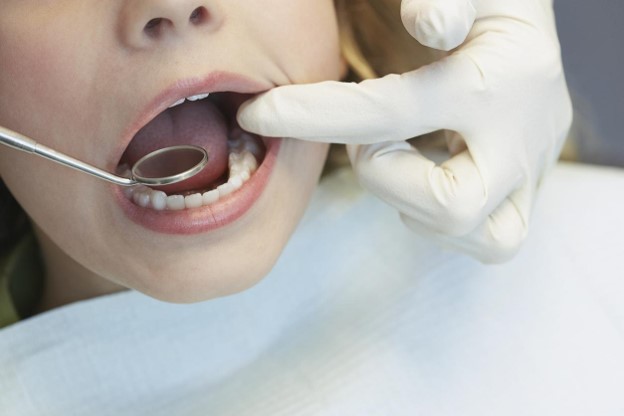
The mouth is one of the few places in the body a clinician can examine directly, in good light, without imaging or an incision. Soft tissue, bone, muscle, joint, gland, and airway all meet in a small space, and all of them change when something elsewhere in the body changes. That is why comprehensive dental services involve far more than counting cavities. A careful examination is a survey of a region, and the person performing it is often the first professional to see a finding the patient has not noticed and has not been evaluated for. A dentist does not diagnose systemic disease. A dentist observes, documents, asks better questions, and refers when a finding warrants medical attention. Understood that way, comprehensive dental services become a recurring health checkpoint that happens two or three times a year, often more frequently than a physical. The sections below describe what a thorough examination actually covers and why those observations matter well beyond the teeth.
What Comprehensive Dental Services Examine Beyond Teeth and Gums
A thorough examination begins before an instrument touches a tooth. The clinician looks at facial symmetry, skin, lip texture, and the way the jaw moves through opening and closing. Inside the mouth, the survey covers the tongue on all surfaces including the lateral borders and underside, the floor of the mouth, the hard and soft palate, the tonsillar area and visible throat, the inner cheeks, and the tissue where cheek meets gum. Outside the mouth, the neck and the lymph node chains under the jaw and along the sides of the neck are palpated, along with the salivary glands and the muscles of chewing. The temporomandibular joints are listened to and felt through a range of motion. This head and neck survey is the part of comprehensive dental services patients notice least, because it takes only a couple of minutes, yet it is the part with the widest reach into general health.
Oral Cancer Screening as the Highest-Stakes Part of Comprehensive Dental Services
Among everything included in comprehensive dental services, the soft tissue screening carries the greatest consequence when it is skipped. The clinician is looking for a sore that has not healed, a patch that is white or red or mixed in color, a thickening or lump felt rather than seen, an area of tissue that feels firmer than the tissue around it, persistent hoarseness, numbness, or a change in how the tongue moves. Palpation matters as much as inspection, because some findings are felt before they are visible. An ulcer, patch, or lump that has not resolved on its own within about two weeks should be evaluated rather than watched further. Established risk factors include tobacco in every form, heavy alcohol use, the combination of the two, sun exposure for the lower lip, and infection with certain strains of human papillomavirus. Risk factors raise attention; they do not determine outcomes, and findings occur in people with none of them.
How Comprehensive Dental Services Connect Gum Disease and Blood Sugar
The relationship between periodontal disease and diabetes runs in both directions, which is why comprehensive dental services treat gum health as a systemic matter rather than a local one. Elevated blood sugar impairs healing and the immune response in the gum tissue, so inflammation that would be manageable in one patient becomes destructive in another. Moving the other way, widespread periodontal inflammation is a continuing inflammatory load on the body that can make glucose harder to keep in range. The clinical signal that draws attention is periodontal breakdown out of proportion to what is on the teeth: deep pockets, bleeding, and bone loss progressing quickly in a patient whose home care is reasonable and whose plaque levels are modest. That mismatch sometimes prompts a conversation about undiagnosed or poorly controlled diabetes and a suggestion that the patient see a physician for testing. The dental office does not make that diagnosis. It notices a pattern that does not fit and routes the patient toward someone who can.
Erosion Patterns Comprehensive Dental Services Read as Acid Exposure
Acid dissolves enamel in patterns, and the pattern often names the source. Comprehensive dental services include reading those patterns rather than simply restoring the damage. Erosion concentrated on the tongue side of the upper front teeth, with thinning enamel and edges that look increasingly translucent, points to acid arriving from inside the body rather than from food. Cupped, hollowed-out depressions on the biting cusps of molars, with existing fillings standing slightly proud of the surrounding tooth, tell a similar story. Many patients with these findings have never connected them to anything, and some have no heartburn at all, since reflux can be silent and can occur mostly at night. Other patients turn out to be drinking citrus water, sports drinks, or sparkling beverages throughout the day, or sucking on acidic candies. The conversation that follows is diagnostic in the sense of narrowing possibilities: dietary acid, reflux worth discussing with a physician, or a history of vomiting that deserves gentle and private inquiry.
Airway and Sleep Clues Found Through Comprehensive Dental Services
A dentist spends more time looking directly into the airway than almost any other clinician, and comprehensive dental services put that view to use. Findings that accumulate into a picture include a tongue with scalloped indentations along its edges from pressing against the teeth, a crowded oropharynx where the soft palate and tonsillar tissue leave a narrow opening, a high vaulted or narrow palate, a large tongue relative to the space available, flattened and worn teeth, chipped enamel edges, and jaw muscles that are sore in the morning rather than at the end of the day. Patients often mention waking unrefreshed or a partner’s report of snoring. None of that is a diagnosis of sleep apnea, and the office is careful to say so. What those observations justify is a conversation about a sleep study interpreted by a physician, which is the only way the condition is actually diagnosed and the only sound basis for treatment.
Dry Mouth, Medications, and Comprehensive Dental Services
Saliva is a defense system: it buffers acid, delivers minerals back to enamel, clears food, and controls bacteria. When it drops, the mouth becomes a different environment, and comprehensive dental services have to adjust accordingly. Hundreds of common medications reduce salivary flow, including many antidepressants, antihistamines, blood pressure medications, diuretics, muscle relaxants, and bladder medications, and the effect compounds when a patient takes several. The visible result is a distinctive pattern of decay at the gumline and on root surfaces, decay that appears quickly in an adult whose habits have not changed, tissue that looks dry and glossy, a tongue that sticks slightly to the mirror, and cracked corners at the lips. Recognizing the cause changes the plan rather than just the restoration: higher fluoride concentrations, more frequent recall intervals, remineralizing products, hydration strategies, saliva substitutes, and a discussion with the prescribing physician about whether an alternative exists.
Bleeding That Comprehensive Dental Services Treat as a Question
Gums bleed when plaque sits along the margin, and that explanation covers most cases. Comprehensive dental services become genuinely diagnostic when bleeding is out of proportion to what is present: heavy, spontaneous, or slow to stop in a mouth that is clean, or bleeding that appears suddenly in a patient whose tissue has been stable for years. Anticoagulants and antiplatelet medications are the most common explanation and are usually already on the health history. Beyond those, the list of possibilities includes platelet disorders, liver disease affecting clotting factors, blood dyscrasias, hormonal shifts, and nutritional deficiencies, particularly vitamin C, which produces spongy, swollen, easily bleeding tissue that surprises patients who assume such things no longer occur. Certain medications also cause the gum tissue itself to overgrow, which changes its shape and its tendency to bleed. The office documents what it sees, treats the local inflammation, and when the presentation does not fit the local causes, recommends that the patient bring the finding to a physician.
Bruxism, Jaw Muscles, and Comprehensive Dental Services
Wear leaves a record. Comprehensive dental services include reading that record on the biting surfaces, where flattened facets on opposing teeth match each other like puzzle pieces, enamel chips along front edges, small vertical cracks running through enamel, and notching at the gumline where flexing stress concentrates. Alongside those signs, the clinician palpates the masseter and temporalis muscles for tenderness and enlargement, checks the joint for clicking, deviation, or limited opening, and asks when soreness is worst. Soreness on waking suggests nighttime grinding tied to sleep and, in some patients, to airway disturbance. Soreness that builds through the day points more toward daytime clenching linked to stress, posture, or concentration. The bite itself may contribute, with interferences that force the jaw into positions the muscles have to brace against. Management depends on which pattern dominates, and it may involve a night guard, bite adjustment, muscle therapy, stress and sleep strategies, or a referral, rather than one universal appliance.
Bone Medications and Radiation History in Comprehensive Dental Services
Two entries on a health history change surgical planning permanently, and comprehensive dental services depend on capturing them accurately. Bisphosphonates and related antiresorptive medications, whether taken as pills for osteoporosis or given intravenously in higher doses for cancer care, alter how jawbone remodels and heals. Extractions, implant placement, and other procedures that expose bone carry a different risk profile in these patients, and that risk does not necessarily end when the medication stops, because the drugs persist in bone. A history of radiation to the head and neck changes the blood supply of the jaws in a lasting way and similarly changes how surgery must be approached and sequenced. In both situations, the right response is planning rather than avoidance: coordinating with the physician or oncologist, timing procedures thoughtfully, favoring preventive and restorative approaches that keep teeth rather than remove them, and preparing the mouth before treatment begins whenever the office is consulted early enough.
Pregnancy and the Adjustments Comprehensive Dental Services Make
Pregnancy changes gum tissue in ways that alarm patients who have never had a gum problem. Hormonal shifts exaggerate the tissue’s response to the same amount of plaque, so gums become red, swollen, and prone to bleeding during brushing, and some patients develop a localized overgrowth on the gum between teeth that is benign and typically resolves after delivery. Comprehensive dental services during pregnancy focus on keeping inflammation low through more frequent cleanings and meticulous home care, since inflamed tissue is uncomfortable and worth controlling in its own right. Morning sickness introduces a second concern, because repeated stomach acid exposure erodes enamel; rinsing with water or a baking soda solution and delaying brushing after an episode protects softened enamel. Routine dental care, including necessary treatment and appropriately shielded radiographs when indicated, is generally handled in coordination with the patient’s obstetrician. Deferring needed care through an entire pregnancy usually means treating a larger problem later.
Signs of Disordered Eating and How Comprehensive Dental Services Address Them
Some of what appears in the mouth touches areas that are private and difficult to discuss, and comprehensive dental services have to handle those findings with restraint. Recurrent vomiting produces recognizable changes: erosion on the tongue side of the upper front teeth, sensitivity, enlargement of the salivary glands near the jaw angles, and irritation of the soft tissues. A dentist may notice these before anyone else does, precisely because that surface of the teeth is not visible when a person looks in a mirror. The appropriate response is neither accusation nor silence. The clinician describes what is visible in plain, factual terms, explains that acid exposure is causing measurable damage, offers protective measures that reduce harm regardless of the cause, and makes clear that the office is a place where the subject can be discussed without judgment. If the patient is open to it, a referral toward medical or psychological support follows. Dental treatment addresses the damage; it does not address the cause.
Nutrition and Hydration Signals Visible During Comprehensive Dental Services
Soft tissue responds to nutritional status quickly, which gives comprehensive dental services another window worth using. A tongue that has lost its normal surface texture and looks smooth and glossy, a burning sensation in the tongue without a visible cause, persistent cracking and inflammation at the corners of the mouth, pale tissue, or recurrent ulcerations can accompany deficiencies in iron, vitamin B12, folate, or other B vitamins. Poor tissue quality and delayed healing after a routine procedure raise similar questions. Dehydration shows up as tissue that lacks its usual moist sheen, thickened ropy saliva, and lips that stay chapped. None of these findings is specific enough to name a deficiency from the chair, and the office does not order or interpret blood work. What it can do is describe the finding accurately, note whether it has changed since the last visit, ask about diet, restrictive eating patterns, absorption issues, or recent illness, and suggest the patient raise it with a physician.
The Health History as a Clinical Instrument in Comprehensive Dental Services
The forms handed over at the first appointment are frequently treated as administrative overhead, and they are not. In comprehensive dental services, the medical history and the medication list are diagnostic instruments that determine what the clinician expects to see, what treatment is safe, and how aggressively prevention must be pursued. A list containing several drying medications predicts a specific decay pattern. An antiresorptive medication changes surgical planning permanently. Anticoagulants change how a procedure is scheduled and managed. Immunosuppressants change healing expectations. Uncontrolled diabetes changes periodontal prognosis. A recent hospitalization, a new specialist, a new supplement, or a stopped medication all shift the picture. This is why the office asks the same questions at every visit rather than filing the original answers away, and why over-the-counter products, herbal supplements, and recreational substances belong on the list. Incomplete information does not merely slow things down; it removes the context that makes an observation meaningful.
Why Continuity Makes Comprehensive Dental Services More Revealing
A single examination is a snapshot, and a snapshot has limits. The value of comprehensive dental services compounds when the same practice sees the same patient over years, because change is what carries information. A lesion documented and photographed at one visit and found unchanged at the next is interpreted differently from one that is new. Bone levels compared across a series of radiographs show a trajectory rather than a number. Wear measured against models and photographs from years earlier reveals how fast grinding is progressing. Tissue that has always looked a certain way in a particular patient is not the same finding as tissue that looked different last spring. Records, images, and consistent documentation are what make that comparison possible. Throughout all of it, the boundary stays fixed: the office observes, records, discusses, and refers, and physicians diagnose and manage systemic disease. A dental visit is a useful checkpoint, and it is not a substitute for medical care or medical screening.
Why Patients Choose August de Oliveira DDS for Comprehensive Dental Services
August de Oliveira DDS provides comprehensive dental services from 5400 Balboa Blvd #231 in Encino, CA 91316, with hours Monday through Thursday from 8 to 5 and Friday by appointment. The practice serves patients from Encino, Sherman Oaks, Van Nuys, Tarzana, Calabasas, Woodland Hills, Studio City, and Reseda. Dr. August de Oliveira’s clinical focus is digital dentistry, and the office runs both chairside CEREC workflows and full laboratory workflows, choosing between them according to what a particular case calls for rather than forcing every restoration through one pathway. Digital records serve the diagnostic purpose described throughout this article, since scans, images, and stored data make it straightforward to compare a finding today against the same area a year or three years ago. Keeping restorative, cosmetic, implant, and preventive care under one roof also means one team holds the whole history, one set of records tracks change over time, and observations made during a routine visit do not get lost between offices.
Final Thoughts on Comprehensive Dental Services
The examination that accompanies comprehensive dental services is quiet and quick, and it is easy to underestimate because nothing dramatic usually comes of it. Most visits end with the finding that everything looks stable, which is the point. The value lies in the visits where something has changed: a patch that was not there before, gum breakdown that does not match the plaque, erosion on surfaces the patient cannot see, wear that has advanced faster than expected, tissue that reflects a new medication or a nutritional gap. Those observations are worth something only when someone is looking for them and has an earlier record to compare against. This article is general information and not medical advice, and no dental examination replaces evaluation by a physician.
Patients in Encino and the surrounding communities who want comprehensive dental services that include a thorough head, neck, and soft tissue examination can schedule a consultation with August de Oliveira DDS at 5400 Balboa Blvd #231, Encino, CA 91316, Monday through Thursday from 8 to 5 or Friday by appointment. A first examination or a return after years away is a reasonable place to start.